Nebula: A Handwritten Font for Makers
The afternoon sun was hitting my workbench just right, illuminating the stack of kraft paper tags I had cut earlier that morning. I was working on a new batch of soy wax candles, and while the scent blend of lavender and vanilla was perfect, the labeling felt incomplete. I had tried a few standard serif options, but they felt too rigid for the cozy, handmade vibe I was aiming for. Then I opened up Nebula, and suddenly, the design clicked into place. There is something uniquely satisfying about finding a typeface that doesn’t just sit on the page but feels like it was written by hand specifically for your product. For crafters, small business owners, and printable creators, Nebula is more than just a digital file; it is a tool that bridges the gap between a rough creative idea and a polished, professional piece of art.
Bringing Warmth to Product Labels and Packaging
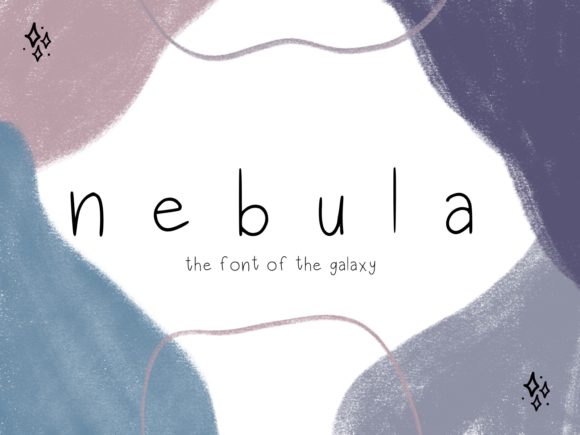
When you are running a handmade shop, whether on Etsy or at local craft fairs, your packaging is often the first physical interaction a customer has with your brand. Nebula, available through Script Amp, offers that neat and simple handwritten aesthetic that feels approachable yet refined. I recently used it for a line of organic soap bars. The font’s natural flow mimicked the irregular, organic shapes of the ingredients, creating a cohesive visual story. Unlike some overly decorative script fonts that can become illegible at smaller sizes, Nebula maintains a clean structure. This clarity is crucial when printing small product labels or sticker sheets where space is limited.
The charm of this font lies in its versatility. It works beautifully for short phrases, product names, and decorative wording. For example, writing "Hand Poured" or "Small Batch" in Nebula adds a personal touch that reinforces the value of handmade goods. It suggests care and attention to detail, which are key selling points for artisanal products. When designing boutique tags or hangtags for clothing items, the font’s lightweight strokes do not overpower the design, allowing the texture of the paper or fabric to shine through. This balance is essential for maintaining a high-end look without appearing cluttered.
Elevating Wedding Stationery and Invitations
Beyond product packaging, Nebula shines in the world of event stationery. Wedding invitations, save-the-dates, and welcome boards require a typography choice that feels celebratory but not overly formal. I tested Nebula on a mockup for a rustic-chic wedding suite, pairing it with a simple sans serif font for the body text. The contrast was striking. The handwritten style of Nebula added a romantic, human element to the names of the couple, while the clean sans serif ensured that the logistical details like dates and venues were easy to read. This kind of font pairing is a staple in modern typography and editorial design, helping to create a hierarchy that guides the eye naturally.
For printable creators who design digital downloads, such as invitation templates or planner pages, Nebula offers a significant advantage. Customers often look for fonts that are easy to customize but still look professionally designed. Because Nebula is a neat handwritten font, it reduces the learning curve for users who might not be graphic designers. They can simply type in their details, and the result looks intentional and artistic. This usability factor can greatly enhance the perceived quality of your digital assets, making them more attractive to buyers looking for quick yet beautiful solutions for their special events.
Creating Engaging Social Media Graphics and Digital Art
In today’s digital-first market, your online presence is just as important as your physical products. Nebula is an excellent choice for social media graphics, particularly for Instagram stories and posts where you want to highlight quotes, announcements, or behind-the-scenes glimpses. The font’s casual elegance fits well with the aesthetic of lifestyle brands, home decor shops, and creative studios. I have found that using Nebula for overlay text on product photos helps to soften the image, making it feel more inviting and less like a traditional advertisement.
For those creating printable wall art or digital planners, the font’s character adds a layer of warmth that sterile, computer-generated fonts often lack. Whether you are designing a motivational quote poster for a home office or a seasonal checklist for a holiday planner, Nebula brings a sense of personality. It transforms simple text into a design element. This is particularly useful for creators who sell SVG-style designs for cutting machines. While Nebula is primarily a font, its clean lines can often be adapted for various design assets, provided you check the licensing terms for specific commercial uses like cut files.
Practical Tips for Readability and Production
While Nebula is visually appealing, practical application requires some consideration of readability. As with any script or handwritten font, it is best suited for titles, headings, and short labels rather than long paragraphs of body text. When using it for product labels, ensure there is enough contrast between the text color and the background. Dark ink on light kraft paper or white vinyl stickers on dark jars usually yields the best results. If you are using cutting machines like Cricut or Silhouette, test the size carefully. Very small text may lose some of the delicate connections between letters, so it is advisable to do a test cut on scrap material before committing to your final production run.
Another key aspect to consider is consistency. To build a strong brand identity, use Nebula consistently across your touchpoints. If you use it for your logo design or main product titles, carry that same font through to your packaging inserts, thank-you cards, and website banners. This repetition helps customers recognize your brand instantly. However, avoid overusing it. Pairing Nebula with a neutral serif font or a bold display font for emphasis can prevent visual fatigue and keep your designs fresh and dynamic.
Understanding Licensing and File Formats
Before integrating Nebula into your commercial projects, it is vital to review the included styles and licensing agreement. Most premium fonts from reputable sources like Script Amp come with clear guidelines on commercial use. Check if the license covers physical products, such as mugs, shirts, and tote bags, as well as digital downloads and templates. Some licenses may require an extended commercial license for certain types of mass production or template resale. Additionally, explore the file formats provided. Having access to OTF or TTF files ensures compatibility with most design software, from Adobe Illustrator to Canva. If the font includes alternates, ligatures, or swashes, experiment with them to add unique flair to your designs, but use them sparingly to maintain legibility.
Ultimately, Nebula is a versatile addition to any maker’s toolkit. It captures the essence of handwriting—personal, warm, and authentic—while providing the consistency needed for professional branding. Whether you are labeling a candle, designing a wedding invitation, or creating a social media post, this font helps turn your creative ideas into tangible, beautiful realities. By understanding its strengths and limitations, you can leverage Nebula to enhance your product presentation and connect more deeply with your audience.